

What to Expect During Your Dental Cleaning Appointment in Chelmsford
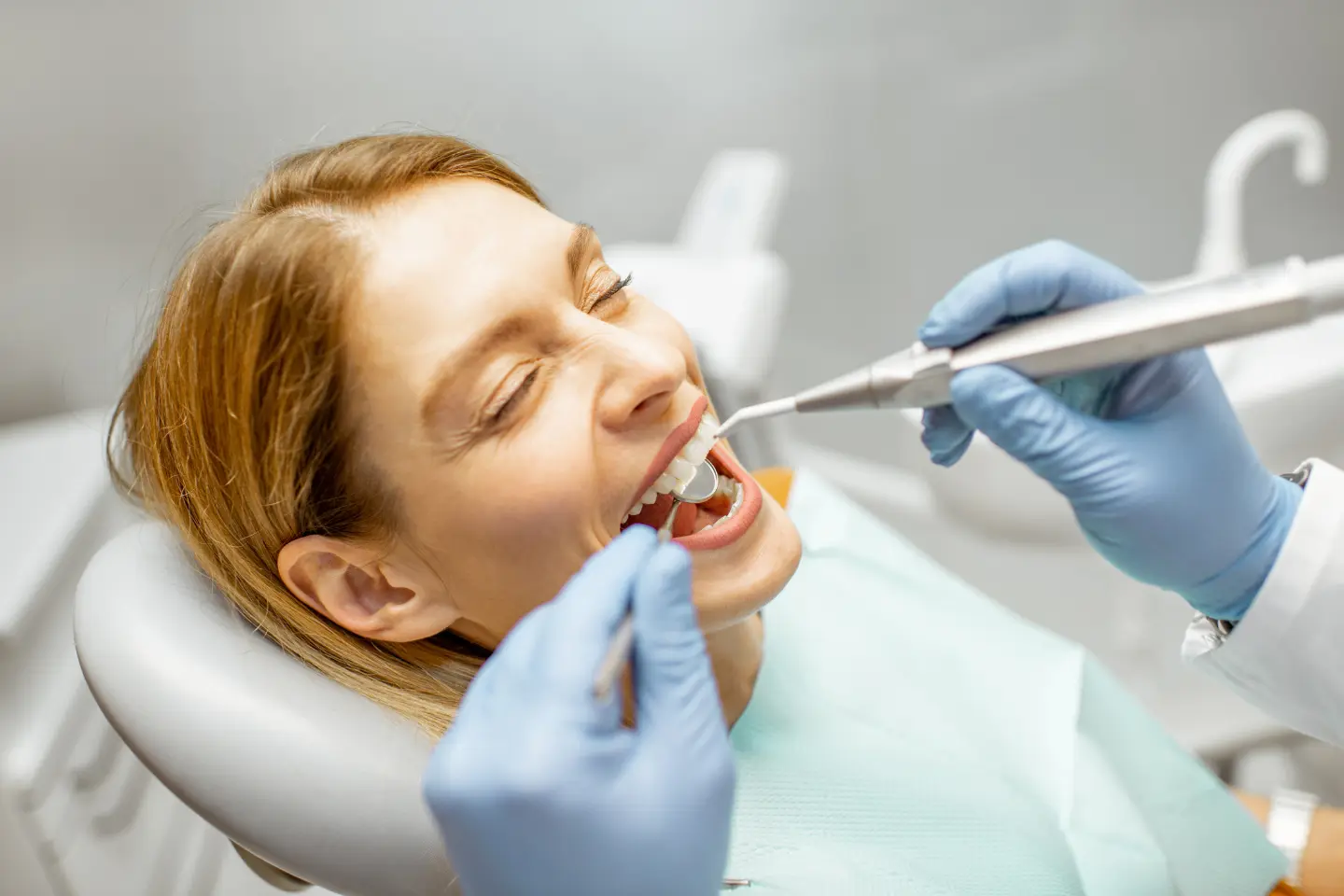
Regular dental cleaning is an important part of maintaining healthy teeth and gums. Even if you brush twice a day and floss regularly, plaque can accumulate in areas that are difficult to reach. Over time, this plaque can harden into tartar, which cannot be removed with a toothbrush alone. Professional dental cleaning helps remove these deposits and allows your dental team to assess your oral health.
If you are planning a visit to Chelmsford Family Dental, knowing what happens during a dental cleaning appointment can help you feel more comfortable and prepared. From the initial examination to tartar removal and personalised oral hygiene advice, each step is designed to support your ongoing dental care.
What Happens During a Dental Cleaning Appointment?
A professional dental cleaning appointment generally involves examining your teeth and gums, removing plaque and tartar, and cleaning the tooth surfaces. The exact steps depend on your oral health, the amount of buildup present, and whether you have any signs of gum disease.
Here is what you can typically expect during your visit.
1. Initial Examination of Your Teeth and Gums
Before cleaning begins, your dental professional will assess your teeth and gums to identify areas that may require attention. This examination helps determine the most appropriate cleaning approach for your needs.
Your dental team may check for:
- Plaque and tartar buildup around the gumline
- Redness, swelling, or bleeding of the gums
- Signs of tooth decay or damaged restorations
- Areas of gum recession or tooth sensitivity
- Other changes that may require further assessment
Dental X-rays may also be recommended when clinically necessary, depending on your dental history, symptoms, and individual risk factors.
This initial assessment helps your dental professional understand your current oral health and identify whether you need routine cleaning or more specialised periodontal care.
2. Removal of Plaque and Tartar
The next step usually involves removing plaque and hardened tartar from your teeth. Plaque is a sticky film of bacteria that forms naturally on tooth surfaces. When it is not removed effectively, it can mineralise and become tartar.
Your dental professional may use ultrasonic scaling instruments, hand instruments, or a combination of both to remove these deposits.
Ultrasonic instruments use vibrations to loosen tartar, while hand instruments allow precise cleaning in specific areas. Both methods can be effective, and the choice depends on the location and amount of buildup.
Removing plaque and tartar is important because these deposits can contribute to gum inflammation, bleeding, and other oral health concerns when left untreated.
3. Cleaning Along the Gumline and Between Teeth
Plaque and tartar can accumulate in areas that are difficult to clean with everyday brushing, particularly between teeth and around the gumline. During your appointment, your dental professional will pay attention to these areas to help remove deposits that may contribute to gum problems.
If the examination reveals signs of gum disease, additional cleaning below the gumline may be necessary. This treatment, often called scaling and root surface debridement, is different from routine dental cleaning and may require additional appointments.
Your dentist will explain whether further treatment is appropriate based on the condition of your gums and the extent of any periodontal concerns.
4. Professional Polishing of Your Teeth
After scaling, your dental professional may polish your teeth using a specialised polishing paste and suitable instruments. This process helps remove certain surface stains caused by foods, drinks, and other external factors.
Polishing can leave your teeth feeling smoother and cleaner. However, it does not remove all types of discolouration, particularly stains that originate within the tooth.
It is also important to understand that polishing is not a substitute for scaling. Hardened tartar must be removed using appropriate scaling instruments before polishing can be performed effectively.
Not every patient requires the same degree of polishing. Your dental professional will determine whether it is suitable for your teeth and gums.
5. Personalised Oral Hygiene Advice
A dental cleaning appointment is also an opportunity to improve your daily oral hygiene routine. Your dental team may identify areas where plaque tends to accumulate and explain how to clean them more effectively at home.
Depending on your needs, advice may include:
- Brushing twice daily with fluoride toothpaste
- Cleaning between your teeth with dental floss or interdental brushes
- Using a toothbrush with soft bristles and gentle brushing pressure
- Cleaning your tongue as part of your daily oral hygiene routine
- Limiting frequent consumption of sugary foods and drinks
Your dental professional may also recommend specific oral hygiene products if you have sensitive teeth, gum recession, or an increased risk of tooth decay.
Following these recommendations can help control plaque buildup between appointments and support the benefits of professional cleaning.
How Long Does a Dental Cleaning Appointment Take?
The duration of a dental cleaning appointment depends on the amount of plaque and tartar present, the condition of your gums, and whether additional assessments are required.
A routine cleaning appointment may take approximately 30 to 60 minutes. However, appointments involving heavy tartar buildup, more detailed periodontal assessment, or deep cleaning may take longer or require multiple visits.
If you have not had a professional cleaning for some time, your dental team may need additional time to assess your oral health and remove accumulated deposits carefully.
Your dentist can explain what to expect based on your individual circumstances.
Does Professional Dental Cleaning Hurt?
For most patients, routine dental cleaning is manageable and causes little or no discomfort. However, you may experience mild sensitivity or tenderness, particularly if you have inflamed gums, exposed tooth roots, or significant tartar buildup.
You may notice some bleeding if your gums are already inflamed. This does not necessarily mean the cleaning has damaged your gums, but persistent bleeding should be discussed with your dental professional.
If you experience discomfort during the appointment, let your dental team know. They can adjust their approach and discuss ways to make the procedure more comfortable.
Patients who require deep periodontal cleaning may need local anaesthesia, depending on the extent of treatment and their sensitivity.
What Should You Do After a Dental Cleaning?
After your appointment, you can usually return to your normal daily activities. However, your teeth and gums may feel slightly different for a short time, especially if substantial tartar was removed.
To maintain your results, consider the following steps:
- Continue brushing twice daily with fluoride toothpaste.
- Clean between your teeth every day.
- Follow any specific instructions provided by your dental professional.
- Avoid aggressive brushing, particularly if your gums feel tender.
- Contact your dentist if you experience persistent pain, swelling, or unusual bleeding.
If you have undergone deep periodontal cleaning, your dental team may provide additional instructions based on the treatment performed.
Maintaining a consistent home-care routine is essential because plaque begins to accumulate again after professional cleaning.
How Often Should You Schedule a Dental Cleaning?
There is no single cleaning schedule that suits everyone. Some patients may benefit from professional cleaning every six months, while others may require appointments more frequently because of gum disease, heavy tartar buildup, smoking, or other oral health risk factors.
Your dental professional will assess your teeth and gums before recommending an appropriate interval. Regular checkups also provide an opportunity to identify potential problems early and monitor changes in your oral health.
If you are searching for a dentist in Chelmsford for routine preventive care, scheduling regular dental assessments can help you stay informed about your oral health needs.
What Is the Difference Between a Dental Cleaning and a Dental Checkup?
Although these services may take place during the same appointment, they serve different purposes.
A dental checkup focuses on examining your teeth, gums, bite, and other oral tissues to identify potential problems. Your dentist may also recommend X-rays when needed.
A professional cleaning focuses on removing plaque, tartar, and certain surface stains from your teeth. It helps manage deposits that cannot be removed effectively through daily brushing and flossing.
Depending on your oral health, you may need both services as part of your preventive dental care routine. Your dental team can explain which assessments and treatments are appropriate during your visit.
Frequently Asked Questions
Q: Should I brush my teeth before a dental cleaning appointment?
A: Yes. Brushing your teeth before your appointment is helpful, although it is not essential. Continue your usual oral hygiene routine, including brushing with fluoride toothpaste and cleaning between your teeth. Your dental professional will still assess your teeth and gums and remove any plaque or tartar that requires professional attention.
Q: Can I eat immediately after a dental cleaning?
A: In most cases, you can eat after a routine dental cleaning. However, if your teeth or gums feel sensitive, you may prefer softer foods and avoid very hot or cold items temporarily. If your appointment includes fluoride treatment or another procedure, follow your dental professional's instructions regarding when to eat or drink.
Q: Will dental cleaning make my teeth whiter?
A: Professional cleaning can remove certain external stains caused by coffee, tea, and other foods or drinks. This may make your teeth look cleaner and brighter. However, cleaning does not change the natural shade of your teeth in the same way as professional whitening. Your dentist can explain whether surface stain removal or another cosmetic option is appropriate for your concerns.
Q: Is professional dental cleaning necessary if I brush and floss every day?
A: Yes, professional cleaning may still be necessary even when you maintain good oral hygiene. Brushing and flossing help control plaque, but plaque that hardens into tartar cannot be removed effectively at home. Your dentist or dental hygienist can remove these deposits and assess your gum health to determine how frequently you need professional care.
Q: How often should I visit a dentist for professional cleaning?
A: The recommended frequency depends on your gum health, tartar buildup, medical and dental history, and individual risk factors. Some patients may benefit from six-monthly visits, while others need more frequent care. Your dental professional can recommend a schedule suited to your oral health rather than relying on a fixed interval for everyone.
Maintain Your Oral Health with Chelmsford Family Dental
A dental cleaning appointment involves more than simply polishing your teeth. From checking your gums and removing tartar to identifying areas that need extra attention, professional cleaning plays an important role in maintaining your oral health.
At Chelmsford Family Dental, your dental care can be tailored to your individual needs. Whether you are due for a routine cleaning, have noticed plaque buildup, or need advice about your gum health, a dental assessment can help determine the most appropriate care.
If you are looking for a dentist in Chelmsford for professional dental cleaning, contact Chelmsford Family Dental to arrange an appointment and discuss your preventive dental care needs.


Professional Affiliations & Trusted Partnerships
Proudly affiliated with leading dental organizations, including ADA, MDS, AGD, and Invisalign®, we demonstrate our commitment to excellence, trust, and advanced patient care.


Plan Your Visit!
Taking Care of Your Smile is Just One Click Away!

22 Middlesex St., North Chelmsford, MA 01863
Practice Hours:
Monday-Tuesday → 8:00 AM – 5:00 PM
Wednesday → Closed
Thursday → 8:00 AM – 5:00 PM
Friday → 8:00 AM – 2:00 PM
Saturday → Closed
Sunday → Closed


