
How Do You Prepare Yourself for an Oral Exam?
For many people, booking a dental appointment feels routine until the day of the visit arrives. Then questions begin to surface. Should you brush before your appointment? What should you mention to your dentist? Is there anything you need to avoid beforehand?
The good news is that preparing for an oral exam is simple. A little preparation can help your appointment go smoothly while giving your dentist the clearest picture of your oral health.
At Chelmsford Family Dental, we believe that informed patients feel more confident and comfortable during their visits. Understanding how to prepare for a Dental Examination in Chelmsford can help you make the most of your appointment while supporting better long-term oral health.
Why Regular Oral Exams Are Important
An oral exam is not only about checking for cavities. It is a complete assessment of your mouth, teeth, gums, and overall oral health.
Routine dental exams help identify:
Early tooth decay
Signs of gum disease
Oral infections
Damaged fillings or crowns
Oral cancer warning signs
Problems before they become painful or costly
Many dental issues develop quietly without obvious symptoms. Regular visits to a trusted Dentist in Chelmsford allow early detection and preventive care before problems worsen.
Brush and Floss Before Your Appointment
One of the easiest ways to prepare for an oral exam is to brush and floss before arriving at the dental clinic.
This helps:
Remove food particles
Reduce plaque buildup
Freshen your breath
Make the examination easier
However, do not worry if you are unable to brush immediately before your appointment. Your dentist is focused on evaluating your oral health, not judging your brushing habits.
Bring Information About Your Medical History
Your oral health is closely connected to your overall health. Before your visit, make a note of any important medical updates.
Be prepared to discuss:
Current medications
Recent surgeries or illnesses
Allergies
Existing medical conditions
Pregnancy
Changes in your health since your last visit
Certain health conditions and medications can affect your teeth and gums, so keeping your dentist informed helps ensure safe and personalised care.
Write Down Any Symptoms or Concerns
Even small concerns are worth mentioning during your appointment.
You may want to tell your dentist about:
Tooth sensitivity
Jaw pain
Bleeding gums
Persistent bad breath
Mouth sores
Pain while chewing
Loose teeth
Sometimes symptoms that seem minor can indicate early dental problems. Open communication helps your Dentist in Chelmsford provide the right guidance and treatment.
Avoid Tobacco and Alcohol Before Your Exam
If possible, avoid smoking, vaping, or consuming alcohol shortly before your appointment.
These can:
Dry out the mouth
Irritate oral tissues
Make it harder to identify certain conditions
Temporarily affect breath and tissue appearance
This is especially important if your visit includes an oral cancer screening.
Arrive a Few Minutes Early
Arriving early helps reduce stress and gives you time to complete any paperwork or update your records.
A relaxed visit allows:
Better communication
More accurate assessments
A smoother overall experience
At Chelmsford Family Dental, we want every patient to feel comfortable from the moment they walk through the door.
Be Honest About Your Oral Hygiene Habits
Many patients feel nervous about discussing their brushing or flossing routine. However, honesty helps your dentist provide practical recommendations without judgment.
Your dentist may ask:
How often you brush
Whether you floss regularly
If you experience sensitivity
About your diet or sugar intake
These questions are designed to support your oral health, not criticise your habits.
What Happens During an Oral Exam?
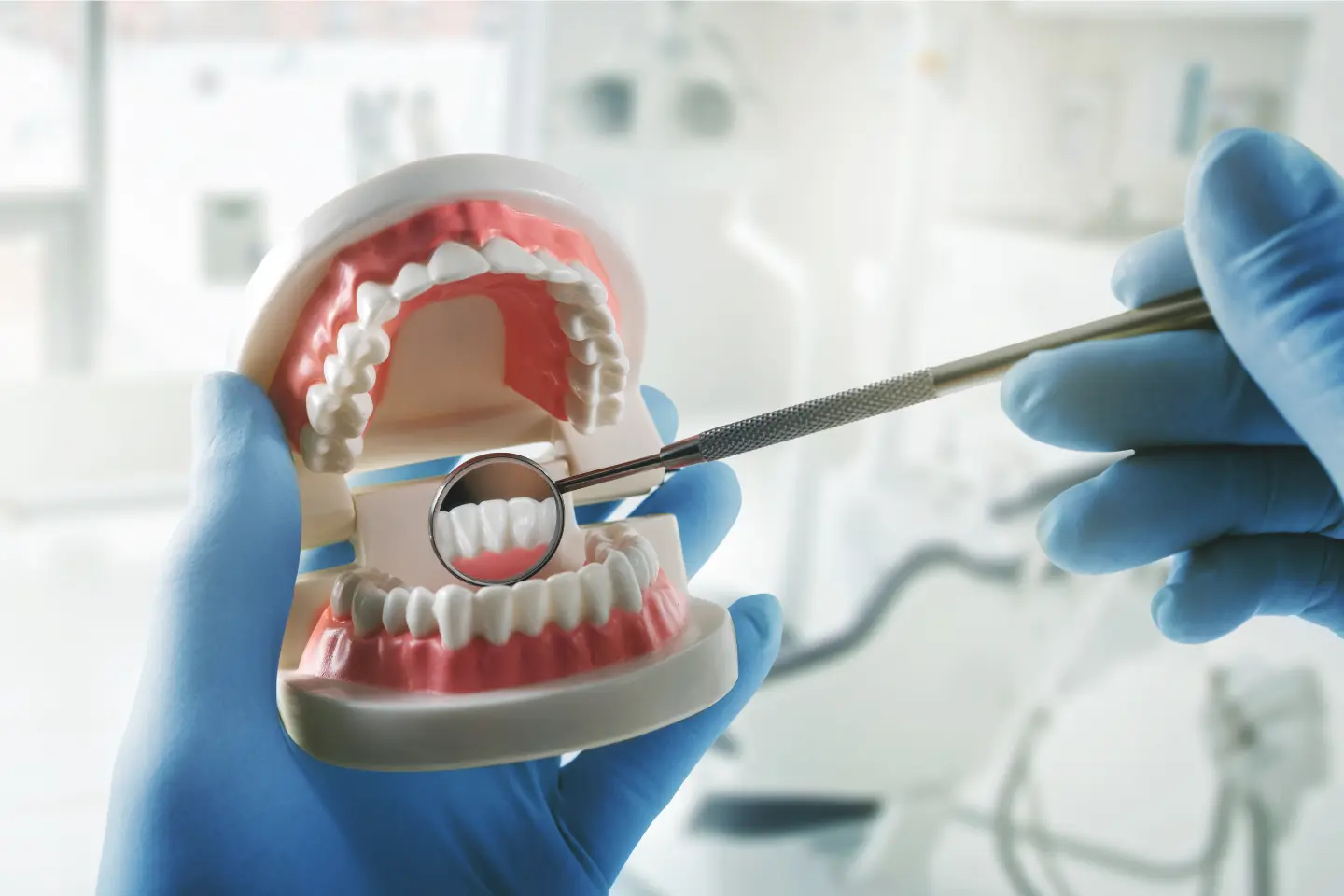
During a Dental Examination in Chelmsford, your dentist may:
Check for cavities
Examine your gums
Inspect existing dental work
Assess bite alignment
Look for signs of oral cancer
Evaluate plaque and tartar buildup
Digital X-rays may also be recommended if needed to detect issues below the surface.
The process is typically quick, comfortable, and highly beneficial for maintaining long-term oral health.
Do Not Be Afraid to Ask Questions
Your dental visit is also an opportunity to learn more about your oral health.
You can ask questions about:
Teeth whitening
Gum health
Sensitive teeth
Dental treatments
Preventive care
Oral hygiene products
A good dental team will always encourage patient education and clear communication.
How Often Should You Have an Oral Exam?
Most patients should schedule an oral exam every six months. However, some individuals may require more frequent visits depending on their oral health needs.
Regular exams help:
Prevent dental emergencies
Catch issues early
Maintain healthier gums and teeth
Reduce long-term treatment costs
Consistent preventive care is one of the best ways to protect your smile.
Q&A Section
Q: Should I brush my teeth before a dental exam?
A: Yes, brushing and flossing before your appointment helps remove food particles and makes the examination easier for your dentist.
Q: Can I eat before my oral exam?
A: Yes, but it is best to avoid sugary foods or strong-smelling foods right before your appointment. Brushing afterwards is recommended.
Q: What should I tell my dentist during an oral exam?
A: Inform your dentist about any pain, sensitivity, bleeding gums, medications, or recent health changes.
Q: How long does a routine oral exam take?
A: Most oral exams take around 30 to 60 minutes, depending on whether X-rays or professional cleaning are included.
Prioritise Your Oral Health with Regular Dental Exams
Preparing for an oral exam is simple, but it plays an important role in protecting your oral and overall health. A little preparation can help your appointment feel smoother, more comfortable, and more productive.
At Chelmsford Family Dental, we are committed to providing personalised preventive care in a welcoming and supportive environment. From routine exams to long-term oral health guidance, our team is here to help you maintain a confident and healthy smile.
If it has been a while since your last Dental Examination in Chelmsford, now is the perfect time to book your visit and take a positive step towards better oral health.


Professional Affiliations & Trusted Partnerships
Proudly affiliated with leading dental organizations, including ADA, MDS, AGD, and Invisalign®, we demonstrate our commitment to excellence, trust, and advanced patient care.
Plan Your Visit!
Taking Care of Your Smile is Just One Click Away!

22 Middlesex St., North Chelmsford, MA 01863
Practice Hours:
Monday-Tuesday → 8:00 AM – 5:00 PM
Wednesday → Closed
Thursday → 8:00 AM – 5:00 PM
Friday → 8:00 AM – 2:00 PM
Saturday → Closed
Sunday → Closed